


Innovative Minimally Invasive Techniques in Hip Arthroscopy for Labral Tear Repair
Hip arthroscopy has ushered in a new era for treating hip problems, particularly labral tear s —a frequent cause of pain and limited motion. The labrum is a ring of cartilage that surrounds the hip socket , ensuring stability and smooth movement. When the labrum tears , discomfort and further joint damage can follow if left unaddressed. Minimally invasive hip arthroscopy repairs these tears through small incisions, resulting in less pain and a faster recovery compared to traditional surgery. In this article, we’ll explore the latest advances in minimally invasive surgical techniques , improved recovery strategies, and cutting-edge technologies that are reshaping the future of hip labral tear treatment.
Advances in Surgical Techniques
In recent years, significant progress has been made in arthroscopic labral tear repair. A key shift is the emphasis on preserving the labrum rather than removing it, which helps the hip joint maintain its normal function and lowers the risk of future problems. Surgeons now utilize advanced, body-absorbable anchors to secure the torn labrum without introducing unnecessary trauma to the joint.
Today's surgeons are also equipped with sophisticated tools. High-definition, flexible arthroscopes allow for clearer views inside the joint and easier access to complex locations within the hip. This improved visualization means labral tear s can be diagnosed and repaired more accurately than ever before.
Refined techniques and improved instrumentation have reduced operative times and the risk of complications such as nerve damage or fluid leakage. Because of these breakthroughs, hip arthroscopy is now a safe and reliable method for treating labral tear s , with a low complication rate and continually improving outcomes.
Thanks to these innovations, more patients—including younger, active individuals—benefit from minimally invasive surgery and can return to the activities they enjoy much sooner.
New Approaches to Recovery
Recovery is just as critical as surgery itself. Modern rehabilitation protocols have evolved to help patients heal faster and more comfortably. Instead of long periods of rest, patients are encouraged to begin gentle movement and weight-bearing exercises soon after surgery, under professional supervision. This early mobilization helps reduce hospital stays, enhances muscle strength , and makes recovery more comfortable.
Pain management has also progressed, with doctors using a combination of regional nerve blocks and multiple types of pain relief to minimize discomfort and reduce reliance on opioids. As a result, patients experience fewer side effects and recover more quickly.
Studies consistently show that these updated rehabilitation strategies result in fewer complications, such as joint stiffness or muscle weakness, and enable a faster return to normal routines compared to older, more restrictive recovery plans.
Cutting-Edge Technologies in Treatment
Technology continues to raise the bar in hip arthroscopy . Advanced imaging tools like 3D MRI and real-time X-ray ensure surgeons have precise, detailed views of the hip, guiding treatment and minimizing disruption to healthy tissue.
Robotic-assisted arthroscopy is another promising innovation. Robotic systems offer enhanced precision and steadiness, allowing surgeons to perform repairs with even greater accuracy and reduced risk of errors.
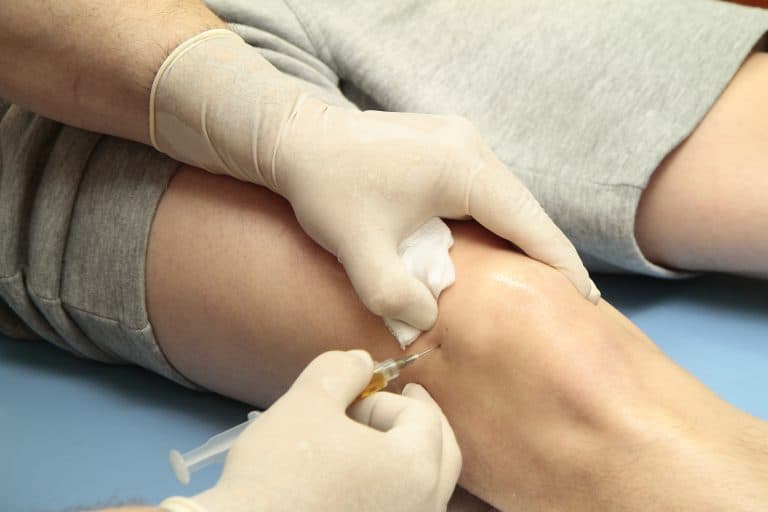
Additionally, biologic treatments such as platelet-rich plasma (PRP) and stem cell injections are being used alongside surgery to boost the body’s natural healing abilities. Early research suggests these therapies can improve tissue healing and may even help prevent the onset of arthritis later on.
Combined, these emerging technologies are giving both surgeons and patients better results and a brighter outlook on recovery.
Looking Ahead
With the rise of minimally invasive hip arthroscopy for labral tear repair , patients are benefiting from more effective surgeries, faster recoveries, and promising new technologies. These advancements make procedures safer and more precise while also enabling people to resume their normal activities sooner.
The latest research emphasizes the importance of preserving the labrum, starting rehabilitation early, and incorporating new technologies into surgical care. Early intervention remains key, especially for conditions like femoroacetabular impingement , which sees the best outcomes when treated promptly.
As this field continues to evolve, we can expect more personalized and advanced treatments, including breakthroughs in regenerative medicine . Ultimately, these exciting changes are helping restore hip function, protect long-term joint health , and give patients a better quality of life.
References
Stone, A. V., Howse, E. A., Mannava, S., Miller, B. A., Botros, D., & Stubbs, A. J. (2017). Basic hip arthroscopy: Diagnostic hip arthroscopy. Arthroscopy Techniques, 6(3), e699-e704. https://doi.org/10.1016/j.eats.2017.01.013
Yusaf, M. A., & Hame, S. L. (2008). Arthroscopy of the Hip. Current Sports Medicine Reports, 7(5), 269-274. https://doi.org/10.1249/jsr.0b013e318186d4c5
Cabrita, H., de Castro Trindade, C. A., de Campos Gurgel, H. M., Leal, R. D., & Marques, R. (2015). Hip arthroscopy. Revista Brasileira de Ortopedia (English Edition), 50(3), 245-253. https://doi.org/10.1016/j.rboe.2014.04.024
Frequently Asked Questions
- London Cartilage Clinic is renowned for employing the latest minimally invasive hip arthroscopy techniques, supported by advanced technology. Under Prof Lee’s expert guidance, patients benefit from cutting-edge diagnostics and individualised care, ensuring a comprehensive and comfortable experience for those seeking hip labral tear treatment.
- Prof Lee brings extensive expertise in minimally invasive hip arthroscopy, having successfully treated a wide range of patients with hip labral tears. His commitment to innovation and enhanced approaches ensures patients receive world-class care, using the most up-to-date surgical methods currently available in the field.
- London Cartilage Clinic utilises sophisticated imaging tools such as 3D MRI, real-time X-rays, and may offer robotic-assisted arthroscopy. These technologies allow for greater precision in diagnosis and repair, offering patients safer procedures and improved outcomes under Prof Lee’s leadership.
- Recovery at London Cartilage Clinic focuses on early mobilisation and personalised rehabilitation, tailored to each patient’s needs. Patients start gentle movement and weight-bearing soon after surgery, guided by expert supervision, all designed to enhance comfort, rebuild strength, and support a prompt return to daily activities.
- The clinic is committed to combining advanced surgical techniques, the latest technology, and leading rehabilitation protocols. Under Prof Lee’s care, patients benefit from strategies focused on labral preservation, optimised pain management, and ongoing support, all aimed at restoring hip function and safeguarding long-term joint health.
Legal & Medical Disclaimer
This article is written by an independent contributor and reflects their own views and experience, not necessarily those of London Cartilage Clinic. It is provided for general information and education only and does not constitute medical advice, diagnosis, or treatment.
Always seek personalised advice from a qualified healthcare professional before making decisions about your health. London Cartilage Clinic accepts no responsibility for errors, omissions, third-party content, or any loss, damage, or injury arising from reliance on this material.
If you believe this article contains inaccurate or infringing content, please contact us at [email protected].
London Cartilage Clinic
Modern treatments, designed for lasting knee outcomes
Every treatment plan is selected to help you return to the quality of life you deserve. Our team combines up-to-date techniques with consultant-led decision making across cartilage repair, regeneration and replacement.
What your journey can look like
Step 01
Consultant-Led Assessment
Symptoms, imaging and goals reviewed in one structured appointment.
Step 02
Personalised Treatment Plan
A clear route chosen from repair, regeneration or replacement options.
Step 03
Precision Delivery
Modern techniques and specialist equipment matched to your diagnosis.
Step 04
Long-Term Knee Health
Follow-up guidance focused on durable function and quality of life.
PAAG-8+ Questionnaire
A bright, structured entry point for patients exploring Arthrosamid. The questionnaire helps frame suitability, expectations, and 24-month clinical benefit discussion before a fuller consultant-led review.
Designed for shared decision-making. It does not replace specialist consultation, examination, imaging review, or formal medical advice.